Watercolor Vintage Muscle Cars Clipart for Blog & Editorial Design
As a blog designer and digital publisher, I’m always on the lookout for design assets that elevate editorial content while maintaining visual consistency. The Watercolor Vintage Muscle Cars Clipart caught my eye not just for its nostalgic charm, but for its versatility in real-world publishing workflows. Whether you're crafting featured images, Pinterest pins, or downloadable guides, this set of illustrations offers a distinct artistic edge that can enhance your brand’s visual storytelling.
First Impressions: Retro Style with Editorial Flair
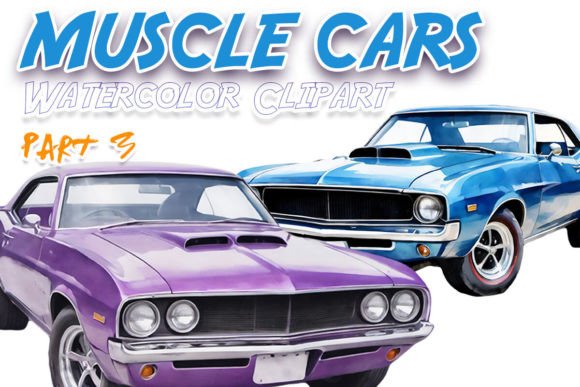
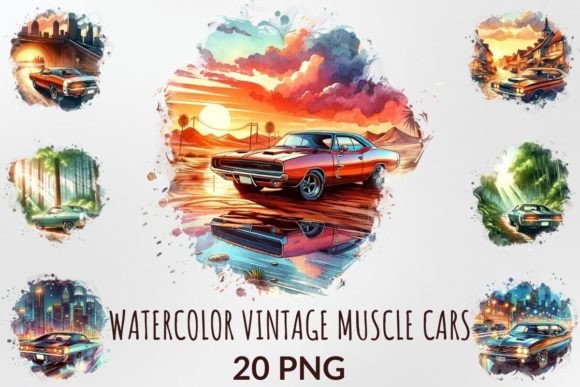
The first thing I noticed about the Watercolor Vintage Muscle Cars Clipart was its hand-painted texture and soft color palette. These aren’t crisp vector icons—they’re expressive, painterly illustrations that evoke a sense of craftsmanship and personality. From a publishing perspective, that’s a big plus when you're trying to stand out in a sea of flat design and over-polished graphics.
This style leans heavily into a lifestyle and artistic mood. It feels nostalgic, slightly playful, and perfect for content that wants to feel approachable rather than overly formal. Think automotive blogs with a classic car focus, design-led lifestyle sites, or niche affiliate marketing platforms that cater to retro enthusiasts.
Real-World Publishing Uses for Watercolor Vintage Muscle Cars Clipart
Let’s get practical. As someone who builds and maintains content websites, I need assets that work across multiple formats. Here’s where this clipart truly shines:
- Blog featured images – Use as a background accent or focal point in article headers.
- Pinterest pins – Ideal for vintage-themed boards or automotive content thumbnails.
- Newsletter banners – Adds visual warmth to email headers and digital guides.
- Downloadable printables – Works beautifully in digital guides or retro-themed worksheets.
- Social media posts – Perfect for Instagram stories or Facebook posts with a nostalgic aesthetic.
- Canva templates – Easy to integrate into drag-and-drop design tools for quick visual upgrades.
What I appreciate most is how the clipart supports visual hierarchy. Whether you're using a single illustration or layering multiple elements, the watercolor texture adds depth without overwhelming the layout. This makes it ideal for editorial design where clarity and visual flow matter.
How It Boosts Content Performance
From a content marketing standpoint, visuals are not just decorative—they’re functional. The Watercolor Vintage Muscle Cars Clipart helps in several key areas:
- Better first impressions – Unique visuals catch the eye and set the tone for your brand.
- Stronger click-through rates – Pinterest pins and thumbnails with distinct imagery perform better.
- Consistent branding – Use across multiple content types reinforces your visual identity.
- Increased reader trust – Professionally designed graphics signal quality and care in your content.
- Improved category recognition – Especially useful for niche blogs wanting to visually segment content.
When used thoughtfully, these illustrations can turn a standard blog post into a more polished, clickable piece of content—something that’s essential for affiliate marketing, digital guides, and lead magnets.
Where This Clipart Works Best
Based on real layout testing, here are the best use cases for integrating this design asset:
- Hero images – Layered behind headlines for a soft, artistic header.
- Article thumbnails – Especially effective for vintage car, lifestyle, or DIY content.
- Email headers – Adds warmth and visual interest to newsletter design.
- Content upgrades – Use in downloadable printables or branded resources.
- Social media previews – Works well in car culture or design-focused posts.
- Category visuals – Helps differentiate content sections with a consistent visual theme.
One of the strengths of this asset is its adaptability. It’s not just for automotive blogs—think creatively about how the vintage aesthetic could work in editorial design for travel, fashion, or even digital product branding.
Where to Use It Carefully
While the Watercolor Vintage Muscle Cars Clipart has a lot going for it, it’s not a one-size-fits-all solution. Here are some situations where you’ll want to be cautious:
- Small mobile thumbnails – Detail can get lost on tiny screens.
- Text-heavy blog images – The watercolor texture may interfere with readability.
- Low-contrast backgrounds – May blend in too much unless layered strategically.
- Busy layouts – Can add visual clutter if not balanced with white space.
- Corporate or serious professional niches – Might feel out of place in finance, legal, or tech content.
- Minimalist website designs – Could clash with ultra-clean, modern layouts.
Publisher’s Checklist: Before You Deploy
Before embedding this design asset into your content, here’s what I recommend testing:
- Preview on desktop and mobile – Ensure it scales well across devices.
- Check thumbnail visibility – Does it remain recognizable at small sizes?
- Test with headline text – Overlay sample titles to verify contrast and legibility.
- Try in black and white – See if the illustration holds up without color.
- Pair with different fonts – Test with serif, sans-serif, script, and display fonts.
- Review file size – Optimize for fast loading, especially on WordPress sites.
- Verify licensing – Make sure it includes a commercial license for monetized content.
As a digital publisher, I always err on the side of caution when it comes to licensing. If you’re using this in affiliate marketing, digital guides, or paid lead magnets, confirm that the clipart allows for commercial use and resale in derivative formats.
Final Thoughts: A Design Asset with Editorial Value
The Watercolor Vintage Muscle Cars Clipart isn’t just another set of illustrations—it’s a visual storytelling tool that can elevate your blog graphics, newsletter design, and downloadable resources. Whether you're building a niche content site, designing Canva templates for clients, or creating retro-themed digital products, this asset brings a unique blend of artistry and functionality.
For bloggers, small business owners, and creative entrepreneurs, it offers a way to stand out with editorial-quality visuals—without needing a full design team. Used strategically, it can enhance your brand identity, improve content performance, and make your digital assets feel more cohesive and professional.