Watercolor Enchanted Fairy Clipart: A Designer’s Real-World Embroidery Review
First Impressions: Soft Whimsy Meets Watercolor Flow
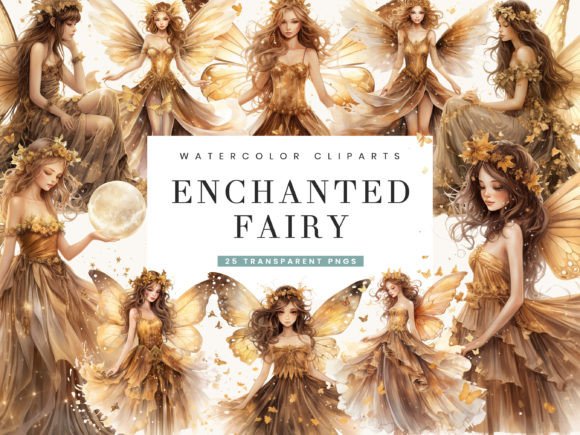
Opening the Watercolor Enchanted Fairy Clipart, I was immediately drawn into its soft, dreamy aesthetic. The illustration blends flowing watercolor textures with a fairy figure that feels both magical and grounded. The fairy’s pose is relaxed, wings slightly blurred, as if caught mid-movement. The color palette leans pastel—lavenders, soft blues, and muted greens—giving it a gentle, ethereal mood. This isn’t a bold, attention-grabbing design; it’s one that whispers. Perfect for embroidery projects that aim to evoke calm, imagination, or a touch of the mystical.
Real-Life Use: From Concept to Stitched Reality
I tested the Watercolor Enchanted Fairy Clipart on a few different project mockups to see how it would translate into real-world embroidery. Starting with a custom embroidered tote bag, the fairy’s flowing lines held up surprisingly well. The satin stitch outlines gave definition to the soft watercolor effect, and the fill stitches in the wings added depth without feeling heavy. On a sweatshirt, the design maintained its charm—though I noticed the watercolor textures lost a little softness on the thicker fabric. Still, it read clearly and added a handmade, boutique feel.
For baby items, like a personalized burp cloth, the fairy motif worked beautifully. The light color scheme complemented pastel nursery themes, and the lack of sharp edges made it feel safe and soothing. I also tried it on a pillow cover and was pleased with how it added a subtle decorative accent without overwhelming the space.
Commercial Appeal: Etsy Listings, Craft Fairs, and Custom Orders
This design has strong potential for Etsy sellers and small shop owners looking to add a touch of whimsy to their product line. It fits well in listings for personalized gifts—especially for children or fairy-themed birthday parties. The fairy illustration is versatile enough to be used in embroidered patches, holiday cards, or even wedding favors like handkerchiefs or keepsake towels.
From a branding standpoint, Watercolor Enchanted Fairy Clipart can help craft businesses maintain a soft, creative identity. It works especially well for shops focused on handmade, nature-inspired, or fantasy-themed products. Just be sure to pair it with complementary fonts and colors to maintain brand consistency across digital and physical products.
Where to Use with Care: Fabric, Fit, and Finer Details
While the design is lovely, it does require thoughtful placement. On small hoop sizes, some of the more delicate watercolor strokes may get lost or stitch poorly. I recommend using it on at least a 4x4 hoop or larger to preserve the design’s integrity.
Textured or stretchy fabrics can distort the soft watercolor effect. I noticed this when testing on a knit baby blanket—the fairy’s wings looked slightly stretched and uneven. Dark fabrics also muted the pastel tones, so I’d suggest using a light-to-medium background for best results.
Curved surfaces like baseball caps are another consideration. The fairy’s flowing lines might not hold up well on the rounded surface of a cap unless the design is repositioned or scaled down carefully. Similarly, when embroidering on layered garments or curved items like sleeves, test the placement first to ensure clarity.
Design Quality: Clarity, Detail, and Practical Embroidery Performance
One of the most important aspects of any embroidery file is how it stitches out. Watercolor Enchanted Fairy Clipart uses a mix of satin, fill, and running stitches effectively. The satin outlines give structure to the fairy’s form, while the fill stitches create the illusion of watercolor washes. However, the detail in the wings and hair can be delicate—on thinner fabric, some of the fine stitches bled through or puckered slightly.
I’d advise embroiderers to use a medium-weight stabilizer and test the design on scrap fabric before committing to a final product. Thread color contrast is also key. I found that using a slightly darker thread for the outlines helped define the fairy’s shape, especially on lighter fabrics.
Visual Impact: Elevating Handmade Presentation and Customer Perception
This design has the ability to elevate a product’s perceived value. Its soft, artistic look gives off a more premium, handcrafted vibe compared to typical cartoon-style clipart. Customers tend to respond well to unique, artistic embroidery, especially when it’s used in personalized items like monogrammed towels or custom baby gifts.
From a giftability standpoint, the fairy motif is versatile—it works for birthdays, baby showers, holiday gifts, or even as a boutique-style accessory. It also lends itself well to digital mockups, helping Etsy sellers and craft entrepreneurs showcase their designs in a professional, appealing way.
Practical Designer Notes: What to Check Before Stitching
- Test on scrap fabric first—especially if using textured or stretchy materials.
- Review stitch density—adjust if needed for delicate or heavy fabrics.
- Confirm hoop size—aim for 4x4 or larger to preserve detail.
- Check small details—especially in the wings and facial features.
- Use proper stabilizer—medium-weight tear-away or cut-away works best.
- Test in black and white—to see how the shape reads without color.
- Compare light and dark backgrounds—to determine best fabric match.
- Confirm licensing—especially if selling finished items or digital embroidery files.
Final Thoughts: A Fairy Tale Fit for Real Projects
Watercolor Enchanted Fairy Clipart is more than just a pretty illustration—it’s a functional, emotionally resonant design asset. Whether you’re embroidering a custom tote bag, a baby onesie, or a boutique pillow cover, this fairy clipart brings a soft, artistic touch that elevates your work. It’s not a one-size-fits-all design, but with a little care and planning, it can become a staple in your embroidery toolkit.
For Etsy sellers, crafters, and creative entrepreneurs, this design offers a balance between artistic flair and practical usability. It invites warmth, imagination, and a sense of care into every finished product. And in the handmade market, that’s exactly what customers are looking for.