Watercolor Flower Borders: A Designer’s Real-World Embroidery Review
First Impressions: Soft, Versatile, and Ready for Custom Craft
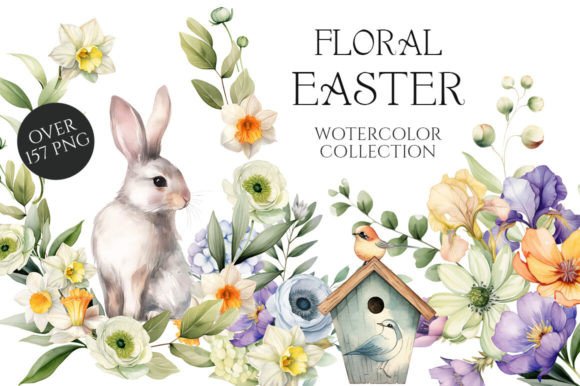
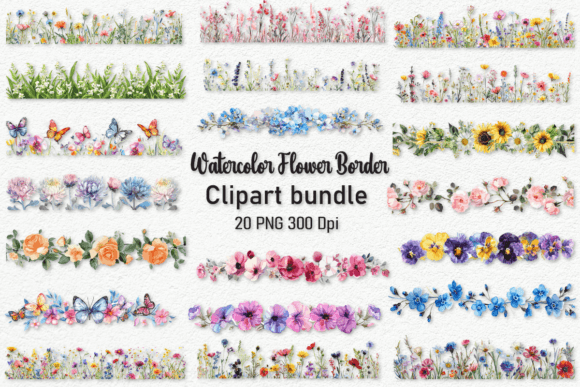
Opening up the Watercolor Flower Borders Clipart Bundle, I was immediately struck by the soft, flowing aesthetic. These aren’t your typical sharp, graphic embroidery designs. Instead, they carry a painterly, almost dreamy quality that feels perfect for projects needing a gentle touch. The color blending mimics real watercolor washes, which is a big win for designers aiming to bring a handmade, artistic vibe into machine embroidery.
Each border has a natural asymmetry that keeps it from feeling too structured. It’s the kind of design that works well across multiple product types—especially those aimed at women, mothers, or nature lovers. The layout feels organic, which means it won’t overpower the base item, whether that’s a tote, a baby onesie, or a holiday ornament.
Real-World Use: From Sweatshirts to Nursery Decor
I recently tested the Watercolor Flower Borders Clipart Bundle on a set of custom embroidered sweatshirts for a boutique client. I placed a border along the hem of a cream-colored pullover. The result? Subtle, elegant, and exactly what the client wanted for her spring collection.
What stood out was how well the design translated into actual stitching. The gradients in the digital illustration held up surprisingly well when converted into stitch patterns. There was no muddiness in the thread transitions, and the soft edges didn’t get lost in the embroidery process. That’s a big deal when working with watercolor-style graphics, which can easily look flat or distorted when stitched.
I also tried a smaller version on a baby burp cloth, using a pale pink thread on a light cotton fabric. The border framed a small embroidered name beautifully. It added just enough visual interest without competing with the personalization. For Etsy sellers or small shop owners, this kind of flexibility is gold.
Where to Use It Carefully: Fabric and Fit Matter
While the Watercolor Flower Borders Clipart Bundle performed well in most cases, there are definitely situations where caution is needed. I wouldn’t recommend using these borders on heavily textured or stretchy fabrics like fleece or ribbed knits without testing first. The subtle shading can get distorted on uneven surfaces, especially if the fabric pulls during stitching.
Dark fabrics also require some thought. Since the watercolor effect relies on light and shadow, it can lose depth when stitched on black or navy backgrounds. I found that adjusting the thread colors helped, but it’s something to keep in mind when preparing digital mockups or client samples.
Small hoop sizes are another consideration. Some of the more detailed corners in the border designs may not translate well if scaled down too much. If you're making embroidered patches or personalized caps, you’ll want to check the clarity of the design at reduced sizes before committing to production.
Visual Appeal and Customer Perception
From a design standpoint, these borders elevate the perceived value of a finished product. They’re not generic—they feel curated, which makes them ideal for small business owners and Etsy sellers looking to stand out in a crowded handmade market.
Customers respond well to soft, artistic touches, especially in personalized gifts. I used one of the borders on a custom pillow cover for a bridal shower gift, pairing it with a satin-stitched monogram. The recipient loved how “romantic” and “custom” it felt—exactly the kind of emotional response that leads to repeat customers and positive reviews.
For digital product sellers, the visual appeal of these illustrations also translates well into printable mockups. Whether you're creating listing images for Etsy or digital embroidery previews, the watercolor style adds a modern, artisanal flair that resonates with buyers.
Designer Notes: Practical Tips for Best Results
Here are a few things I picked up while working with the Watercolor Flower Borders Clipart Bundle:
- Test on scrap fabric first—especially if you're using textured or stretchy materials. It’s the only way to know how the shading and stitch density will behave.
- Check thread color contrast against the fabric. You may need to tweak the palette to preserve the watercolor effect on dark or patterned backgrounds.
- Review stitch density in the fill areas. Watercolor designs can look muddy if the stitches are too dense or too loose.
- Confirm hoop size compatibility before starting. Some of the larger borders may require a 5x7 hoop or larger.
- Inspect small details under magnification. The soft edges can sometimes lose definition when converted into embroidery files.
- Test in black and white mockups to see how the contrast holds up without color.
- Compare light and dark fabric backgrounds side by side before finalizing a design.
- Use proper stabilizer—especially for stretchy or thin fabrics. A medium-weight tear-away or cut-away can make a big difference in stitch clarity.
- Check licensing terms if you're using the designs in commercial embroidery projects or selling finished items. Always confirm you have the right to use the digital embroidery file in a for-profit context.
Final Thoughts: A Solid Choice for Artistic Embroidery Projects
Overall, the Watercolor Flower Borders Clipart Bundle is a versatile addition to any embroidery designer’s toolkit. It bridges the gap between digital illustration and machine embroidery in a way that feels fresh and modern. Whether you're creating custom apparel, personalized gifts, or boutique merchandise, these borders offer a unique aesthetic that’s both adaptable and customer-friendly.
For small shop owners and Etsy sellers, this kind of design asset can help elevate your product offerings without requiring advanced digitizing skills. Just be mindful of fabric choice, hoop size, and thread contrast, and you’ll be rewarded with a polished, artistic finish that stands out in the handmade marketplace.